
Why New Hampshire Driveways Crack
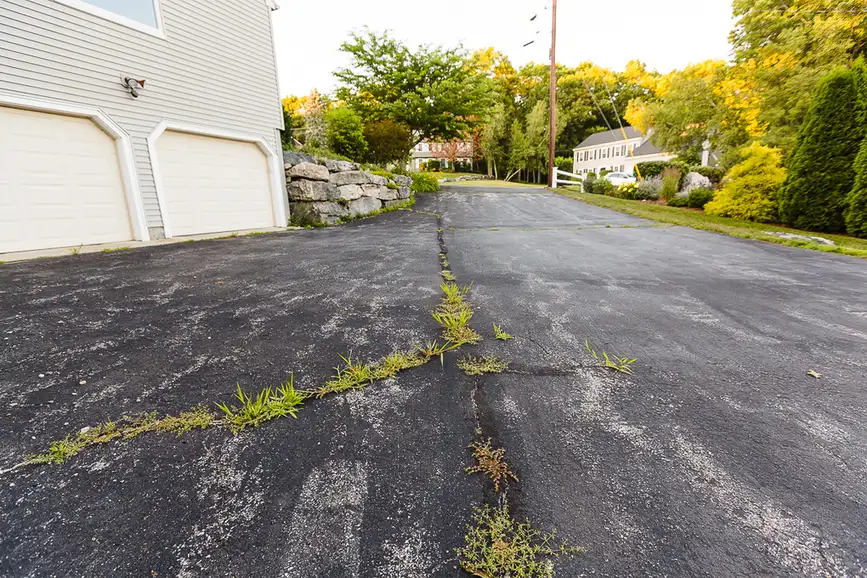
Driveways crack. In New Hampshire, a handful of conditions tend to be behind it, and often more than one is at work at the same time. Understanding what contributes to cracking helps you describe the problem accurately when you ask a contractor to take a look. Here are the common factors we see.
What is underneath the driveway
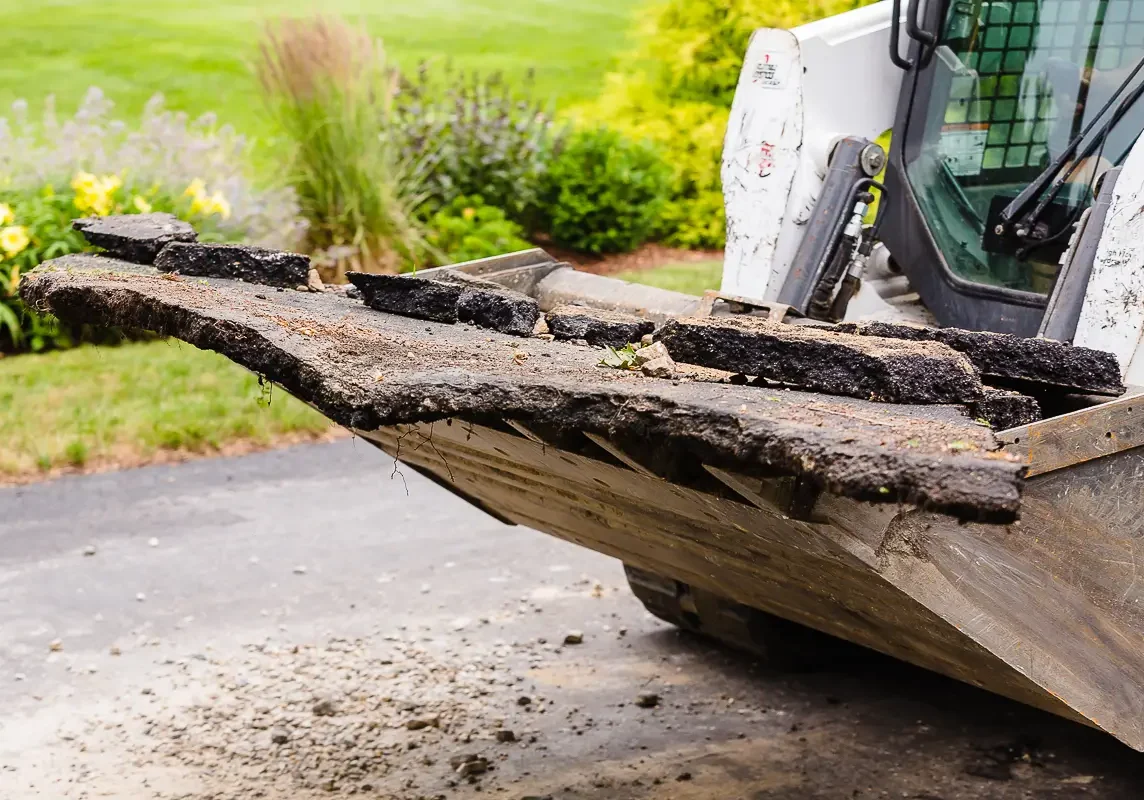
A driveway is only as sound as the base beneath it. When the base is thin, uneven, or made of the wrong material, the surface above it flexes under the weight of vehicles. Over time that flexing shows up as cracks. What sits under the asphalt does more to determine how a driveway behaves than the asphalt itself, which is why excavation and base work matter so much.
Water and drainage
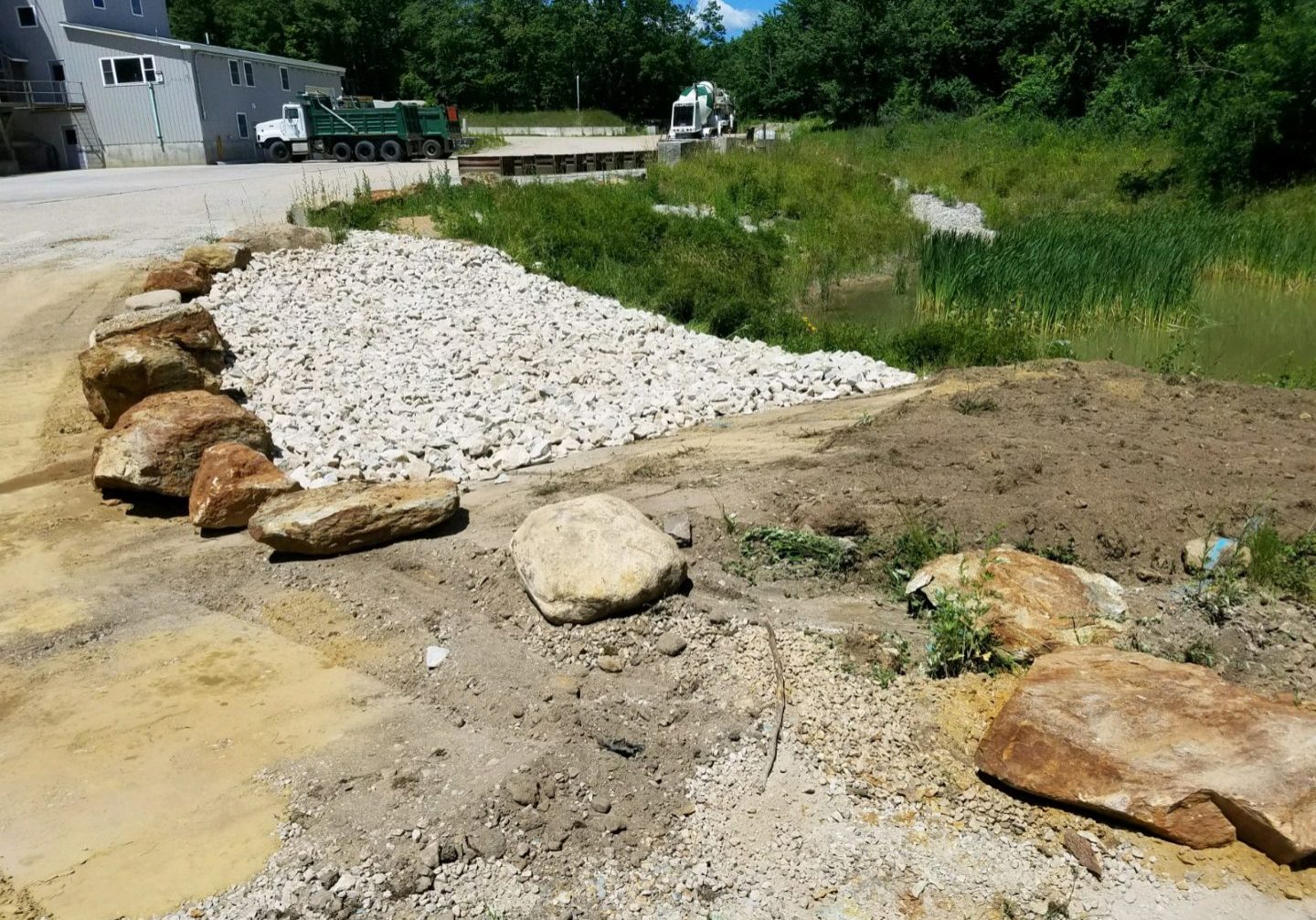
Water is a common thread behind cracking. When water sits under a driveway or seeps into the surface through small openings, it weakens the support and works into the pavement. Grade that sends water toward the driveway, or a spot with nowhere to drain, keeps water in contact with the surface. Sealing the surface is one way to help keep water out, which is part of what sealcoating does.
New Hampshire’s freeze-thaw weather
New Hampshire goes through repeated freeze and thaw cycles. Water that has found its way into or under a driveway expands as it freezes and contracts as it thaws, and that movement stresses the pavement. The freeze-thaw cycle is one of the reasons cracking is common on driveways across the state.
The age and condition of the surface
Asphalt changes as it ages. Older surfaces become more brittle and show the wear of years of sun, traffic, and weather. A driveway that was built well can still reach a point where its condition alone makes cracking more likely.
The edges of the driveway
Edges are often the first place a driveway starts to break down, it could be the result of water at the edge, or because the outer edge has less support beside it than the middle of the surface does. Crumbling and cracking along the edge is a distinct issue from cracking in the field of the driveway.
What to share when you request a quote
The more accurately you can describe the driveway, the better. Helpful details include the approximate age of the driveway, where the cracking appears, whether it is in the middle, along the edges, or near the garage, whether the base has failed, and whether water pools anywhere on or beside it. Photos help a lot. That information lets us understand what we are looking at before we visit, and it is the same information our paving and excavation crews use to talk through a job.
Frequently Asked Questions
If your New Hampshire driveway is cracking,
send photos and request a free quote or call (603) 231-1598. We will take a look and talk through what we see.
Want to see more from Young's Excavating & Paving in your Google results and AI answers? Add us as a preferred source.
Button not showing? Add Young's Excavating & Paving on Google